What good ecommerce fulfillment really looks like
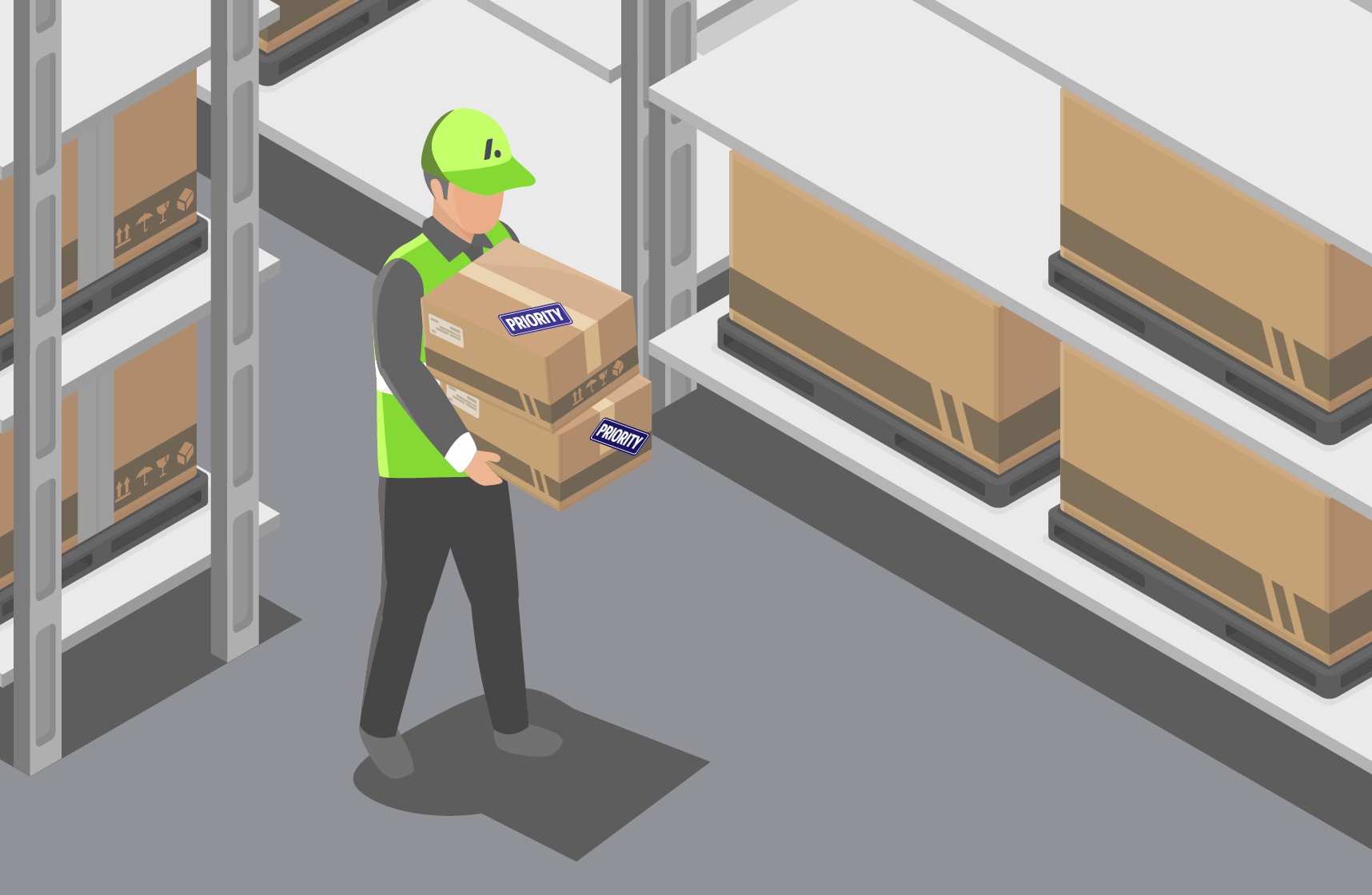
As order volume grows, ecommerce fulfillment stops being a background task and starts becoming a core part of the customer experience.
For many brands, fulfillment issues do not show up as a single failure. They surface gradually through missed delivery windows, inventory confusion, higher return rates, or internal teams spending more time managing orders than growing the business.
Good ecommerce fulfillment is not about shipping boxes quickly. It is about reliability, visibility, and operational control at scale.
Why “good enough” fulfillment breaks as you grow
In the early stages, fulfillment is often handled in-house or through a low-cost provider. That approach can work when order volume is low and customer expectations are flexible.
As volume increases, small inefficiencies compound. Manual processes introduce errors. Inventory accuracy declines. Customer service teams spend more time chasing shipments and fixing mistakes.
What once felt manageable becomes a constraint on growth.
The real components of good ecommerce fulfillment
Good fulfillment is not defined by a single metric. It is the combination of several operational fundamentals working together.
Accuracy and consistency
Accurate picking and packing is the baseline. Consistency matters just as much as speed.
When accuracy slips, the downstream impact is significant. Returns increase. Support tickets rise. Customer trust erodes. These costs are rarely visible on a rate card, but they directly affect margin and brand perception.
Inventory visibility
Brands need to know what inventory is available, where it is located, and how quickly it is moving.
In practice, this means real-time access to inventory data through a warehouse management system, not delayed reports or manual updates. Visibility allows teams to plan promotions, manage replenishment, and avoid overselling.
Operational transparency
Good fulfillment partners operate as an extension of the brand, not a black box.
Clear communication, accessible reporting, and predictable processes reduce friction and allow issues to be addressed before they become customer-facing problems.
Scalability without disruption
As order volume grows, fulfillment operations should scale without requiring constant intervention from the brand’s internal team.
That scalability depends on repeatable processes, trained staff, and systems designed to handle fluctuation in demand.
When fulfillment becomes a growth limiter
Many brands wait too long to reassess their fulfillment setup.
Common signals that fulfillment is becoming a constraint include:
Increasing order errors or mis-shipments
Inventory discrepancies between systems
Customer complaints related to delivery or returns
Internal teams spending excessive time managing fulfillment issues
These signals are not just operational annoyances. They indicate that fulfillment quality is starting to affect customer experience and growth.
Why fulfillment quality matters to customers
From a customer’s perspective, fulfillment is part of the brand.
Delivery speed, order accuracy, packaging quality, and return handling all shape how customers perceive reliability. Even strong marketing and product quality cannot compensate for repeated fulfillment issues.
Good fulfillment supports retention, repeat purchases, and long-term brand trust.
Choosing a fulfillment partner that supports growth
Not all fulfillment providers are built to support growing ecommerce brands.
Beyond basic pick-and-pack capabilities, brands should look for partners that offer:
Strong inventory management and reporting
Clear operational processes
Communication that feels collaborative rather than transactional
The ability to handle growth across different order types and channels
In practice, this means working with a fulfillment partner that prioritizes accuracy, visibility, and hands-on operations.
A practical next step
Good ecommerce fulfillment should remove friction, not create it.
For brands questioning whether their current setup can support the next stage of growth, it is worth stepping back and assessing where fulfillment is helping and where it may be holding the business back.
Many growing brands work with hands-on fulfillment partners like Arlo Hub when fulfillment quality, transparency, and operational control become critical.
If you are evaluating whether your fulfillment operation is supporting or limiting growth, a conversation focused on your current challenges can help clarify the next step.
See how Arlo Hub could work for you
If your current 3PL feels slow or hands-off, let’s talk through how we do things differently.